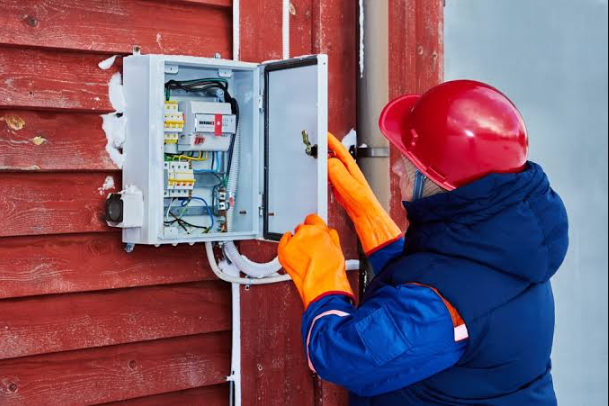
Chicago experiences significant seasonal weather changes, from freezing winter temperatures to hot and humid summer conditions. These changes can influence household electricity consumption as heating systems, air conditioners, and other appliances operate throughout the year. Maintaining a dependable electrical system is essential for supporting these seasonal demands and protecting residential equipment.
Understanding how temperature changes affect electrical infrastructure can help homeowners identify potential problems, prepare for increased electricity usage, and maintain reliable electrical performance throughout the year.
Understanding Seasonal Electricity Demands in Chicago
Residential electricity consumption can vary considerably between seasons. Different household appliances operate more frequently depending on outdoor temperatures and daily requirements.
During summer, air conditioning equipment may contribute significantly to electrical demand. In winter, properties using electric heating systems can experience increased electricity consumption.
The electrical system must accommodate these demands through appropriately designed circuits and protective equipment.
Professional evaluations can help determine whether existing infrastructure remains suitable for the property’s requirements.
How Winter Weather Affects Residential Electrical Systems
Cold weather can influence the operation of household electrical equipment, particularly in properties that rely on electric heating.
Increased Heating Requirements
Electric furnaces, heat pumps, and supplemental heaters may operate frequently during periods of extremely low temperatures.
These appliances can place considerable demand on electrical circuits.
Additional Use of Portable Heaters
Portable electric heaters can draw substantial electrical current.
Connecting multiple heaters to an inadequately rated circuit can cause overloads and repeated breaker trips.
Portable heaters should be connected according to manufacturer instructions and should not be operated through unsuitable extension cords.
Moisture and Condensation
Temperature differences between indoor and outdoor environments can sometimes contribute to condensation.
Moisture reaching electrical equipment may cause corrosion or other damage.
Weather-Related Power Interruptions
Snow, ice, and strong winds can damage utility infrastructure and cause power outages.
Homeowners should distinguish between utility supply problems and faults within their own electrical installations.
Electrical Challenges During Hot Summer Months
Summer brings different electricity requirements, especially when cooling systems operate for extended periods.
Increased Air Conditioning Usage
Central air conditioning systems and other cooling equipment may operate frequently during hot weather.
Properly rated electrical circuits help support dependable equipment performance.
Additional Household Appliances
Refrigerators, freezers, fans, and entertainment devices contribute to electricity consumption.
Operating multiple appliances simultaneously can increase household electrical demand.
Overloaded Circuits
Excessive electrical current may cause protective circuit breakers to trip.
Recurring interruptions should be investigated by a qualified electrician.
Outdoor Electrical Equipment
Summer activities may involve outdoor lighting, patio appliances, and other equipment.
Exterior electrical installations should be suitable for environmental exposure and comply with applicable safety requirements.
Common Warning Signs of Electrical Problems
Seasonal increases in electricity consumption may reveal existing electrical issues.
Homeowners should recognize several warning signs:
- Circuit breakers that trip repeatedly.
- Flickering or unexpectedly dimming lights.
- Burning odors near electrical equipment.
- Persistent buzzing or crackling sounds.
- Visible rust or moisture damage.
- Unexpected interruptions in household electricity.
- Discolored electrical components.
- Difficulty accommodating additional high-powered appliances.
These symptoms can result from different electrical problems and should be professionally evaluated.
When Should Chicago Homeowners Consider Electrical Improvements?
Older residential properties may contain electrical equipment originally designed for lower electricity consumption.
As homeowners install modern heating systems, cooling equipment, and additional appliances, existing infrastructure may require professional evaluation.
In certain situations, an electrical panel upgrade Chicago service may be appropriate when the current distribution equipment cannot safely accommodate calculated electrical demand or lacks suitable capacity for planned electrical improvements.
A licensed electrician can inspect the installation, perform load calculations, and determine whether equipment modifications or changes to the electrical service are necessary.
Important Steps for Preparing Electrical Equipment Before Winter
Planning ahead can help homeowners reduce avoidable electrical problems during colder months.
Arrange an Electrical Inspection
A qualified electrician can examine distribution equipment and identify developing safety concerns.
Evaluate Heating Equipment Requirements
Electric heating systems should be connected to circuits suitable for their rated electrical loads.
Check for Exterior Damage
Homeowners can visually observe accessible exterior equipment for signs of physical damage or deterioration without opening enclosures.
Plan Safe Backup Power Options
Backup generators and other emergency electricity sources require appropriate installation and safe operating procedures.
Fuel-powered generators must never be used indoors or near openings where exhaust gases can enter the building.
How to Maintain Electrical Reliability During Summer
Warm-weather electrical demands also require appropriate planning.
Maintain Cooling Equipment
Air conditioning systems should receive maintenance according to manufacturer recommendations.
Properly functioning equipment can help avoid unnecessary operating problems.
Avoid Overloading Individual Circuits
Multiple high-powered appliances should not be connected to circuits that cannot safely accommodate their combined loads.
Monitor Circuit Breaker Behavior
Repeated breaker trips should be treated as warning signs requiring professional investigation.
Protect Outdoor Connections
Exterior outlets and electrical equipment should have suitable weather protection.
Consider Future Cooling Requirements
Before installing additional cooling equipment, homeowners should verify that the existing electrical infrastructure can support it.
Why Professional Electrical Services Matter
Electrical distribution equipment contains potentially dangerous components that may remain energized even after the main breaker is switched off.
Attempting internal repairs or modifications without appropriate qualifications can expose homeowners to serious electric shock and burn hazards.
Qualified electricians have the technical knowledge, specialized equipment, and training required to evaluate electrical systems safely.
Professional installation also helps ensure that electrical improvements comply with applicable Chicago requirements and manufacturer specifications.
Long-Term Benefits of Seasonal Electrical Planning
Preparing household electrical infrastructure for changing seasonal requirements can improve reliability and reduce unexpected interruptions.
Professional inspections may identify deteriorating components before periods of increased electricity demand.
Appropriate electrical planning also helps homeowners understand whether their existing installation can accommodate future heating, cooling, or renovation projects.
By addressing potential concerns early, property owners can maintain more dependable electrical performance throughout the year.
Conclusion
Chicago’s changing seasons create different electricity requirements for residential properties. Heating equipment, cooling systems, and additional appliances can increase electrical demand and reveal limitations in existing infrastructure.
Recognizing warning signs, avoiding overloaded circuits, and arranging qualified electrical inspections are important steps toward maintaining household safety.
With proper planning, professional maintenance, and suitable electrical equipment, Chicago homeowners can support reliable electricity distribution during every season.