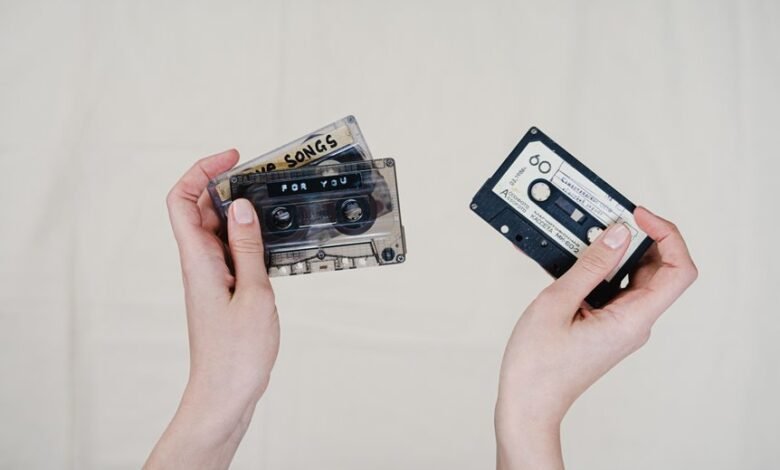
Dropping a song is more than a release; it’s a strategic signal of timing, ownership, and access. For beginners, it represents a deliberate entry that combines style, production quality, and distribution choices into momentum. The process blends artistic direction with practical steps—recording, mastering, and messaging—that shape how a track travels. It sets expectations about audience reach and impact, yet leaves questions about execution and consistency open for exploration as the plan unfolds.
What Does “Drop a Song” Really Mean for Beginners
Dropping a song, in essence, refers to releasing a new track to the public, typically through streaming platforms and official channels.
What does this imply for beginners is a staged signal: ownership of release timing, audience access, and measurable impact.
The act is not merely upload, but strategic entry, inviting listening, feedback, and momentum that defines a brand.
drop a song. what does.
Choosing a Style, Tempo, and Vibe That Fit You
Choosing a style, tempo, and vibe that fit you requires aligning musical identity with audience expectations and personal strengths.
The analysis highlights authenticity over trend-chasing, guiding creators to map strengths to genres and tempos.
Selecting a vibe involves evaluating energy, mood, and intent.
Consider evolving preferences; tempo choices for you should balance feel and accessibility, fostering consistent, expressive drops.
From Recording to Mastering: A Simple, Step-by-Step Workflow
From recording to master, the workflow distills a complex process into a practical sequence: capture clean audio, organize tracks, and apply targeted processing before final polish. The recording workflow emphasizes efficiency and clarity, shaping a structured path from take to stem.
Mastering essentials follow, ensuring balanced loudness, cohesive tonality, and transparent dynamics for a liberated, publishable result.
Releasing on Streaming Platforms and Getting Heard
With the master path established, artists now pivot to the practicalities of releasing a track on streaming platforms and ensuring it reaches listeners.
Releasing logistics shapes timelines, metadata, and distribution choices, while platform specifics determine monetization and playlist potential.
A disciplined marketing strategy supports audience building, aligning release cadence with data-driven insights and authentic messaging, fostering freedom through measurable, intentional reach.
Frequently Asked Questions
How Long Does It Take to See Results After Releasing a Song?
Results vary, but typically within weeks to months after release; traction hinges on catchy hooks and release timing, plus promotion. The model notes gradual growth as streams accumulate, playlist placements influence engagement, and audience discovery expands over time.
Can “Drop a Song” Apply to Covers or Only Original Music?
Symbolism threads through doubt and clarity: drop a song can apply to covers or originals. The act hinges on claim originality and cover legality, ensuring fair use and proper rights, allowing creative freedom while respecting ownership and lawful sharing.
What Budget Do Beginners Need for a Professional Drop?
A beginner should allocate a modest, phased budget, typically starting around a few hundred dollars for basic production and gradually expanding. Budget planning prioritizes essential equipment needs, sound quality, and scalable upgrades as growth and independence increase.
Is a Single Release Better Than an EP or Album Debut?
A single release often garners quicker attention, but an ep vs album offers deeper storytelling and sustained momentum. For a new artist seeking freedom, a strategic mix—one strong single plus an EP—can balance reach and depth.
How Do I Measure Listener Engagement Beyond Streams?
Listener analytics and streaming metrics reveal engagement beyond streams; attention is found in engagement signals and audience retention, where nuanced trends indicate active, loyal listening. The approach balances freedom with data-driven insight, illuminating authentic listener depth and behavior.
Conclusion
In sum, dropping a song is a structured, ongoing process rather than a singular act. It blends authentic style choices with a practical workflow—from clean recording to strategic release—ensuring each track builds momentum and brand clarity. As a guide, the sequence is diagnostic: evaluate strengths, craft a coherent vibe, finalize the mix, and execute a smart distribution plan. The result is a ripple, not a spark—an evolving momentum that steadily expands the artist’s reach.