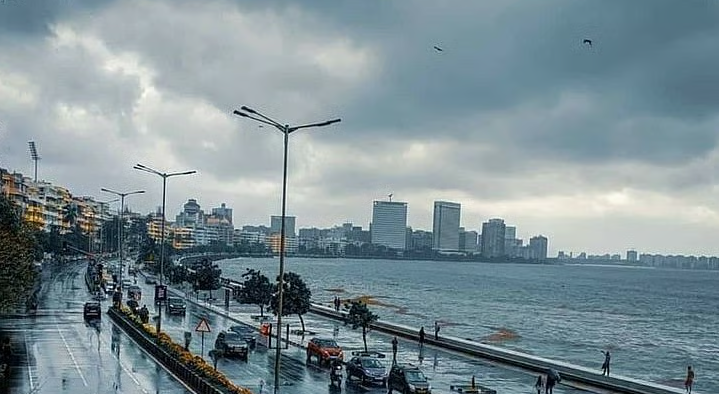
The weather in Mumbai instantly reminds one of ongoing showers, peak heat, and high tide. Unlike many inland cities, daily weather in this maximum city is influenced by sea breeze circulation, monsoon depressions over the Arabian Sea, and high humidity. There’s also tidal timing during heavy rainfall that has a role. With wind directions shifting from westerly sea breeze to variable gusts during low pressure, conditions can change within hours.
In short, standard readings of weather Mumbai don’t make much sense, and that’s where a platform like MeteoFlow is useful for hourly forecast sequencing. Run by meteorologists, data scientists, and tech experts, MeteoFlow uses atmospheric science and advanced tools for accurate readings. Below is an overview of how to read Mumbai’s weather.
Understanding Mumbai Weather Patterns
There are stark intra-day shifts in Mumbai, largely affected by coastal wind cycles. Morning land breeze is replaced by afternoon sea breeze, and wind speeds are often extreme along coastal stretches like Marine Drive and Bandra-Worli Sea Link. The gust variability is also notable during monsoon depressions, and any change in wind direction impacts port operations, construction and crane work.
Rainfall in Mumbai often means small spells for shorter durations, with prolonged moderate rainfall during depression systems. Localised heavy cells affect the suburbs differently from the city centre. Given how fast the city is growing, generic citywide forecasts don’t otherwise help much for transport and infrastructure planning.
Standard Weather Forecast Limitations
A general temperature reading or just an icon to show whether the day is sunny or cloudy doesn’t mean much for anyone, regardless of whether they live in Borivali or Churchgate. Rain probability does not always indicate tidal interaction risk, and standard daily rainfall details fail to include peak intensity windows. Average wind speeds, on the other hand, often do not show details of gust spikes. Considering how quickly coastal systems move, readings in the morning often don’t reflect the weather in the evening.
Parameters to Check
When reviewing weather readings in Mumbai with an advanced platform, here are some details to check:
· Wind/Gust Timing: This includes details about peak gust hours, because wind direction directly affects the port and marine sectors.
· Rainfall Time and Duration: Instead of just considering the probability of rain on a given day, it is more important to check for peak windows and intensity. This will help plan work schedules and outdoor activities.
· Tidal Info: During peak rainy months, this matters, as heavy rain with high tide can mean flooding risks. Given how Mumbai has been dealing with yearly floods, accurate details are helpful.
· Heat Index: The heat index is one of the regular parameters that help review the energy needs of Mumbai, which can be massive during summer.
See also: How Lifeguard Training Transforms a Lifeguard into a Lifesaver?
Accurate & Regular Readings for Mumbai
Timing, intensity, and how different weather elements interact are details that experts, authorities, and regular users are interested in. A platform that offers hourly, detailed interpretation is more useful than usual readings for daily work and safety. Also, having tools that can be customised for each sector is always helpful.